
 By
By 
Deciding to get braces is a significant step toward improving both your dental health and your self-confidence. However, one of the most common hurdles for many is the price tag. how much do braces cost can vary widely based on the type of treatment you choose, where you live, and how much work your teeth actually need.
Types by Average Costs
Not all braces are created equal. The technology used to straighten your teeth, whether it is traditional metal or invisible trays, plays a huge role in the final bill.
- Traditional Metal Braces ($3,000 – $7,500): These remain the most common and cost-effective option. Modern versions are smaller and more comfortable than before. They are incredibly reliable for fixing complex bite issues.
- Ceramic Braces ($4,000 – $8,500): These work the same as metal braces but use clear brackets to blend in with your smile. They are popular with adults but cost more than metal due to the materials used.
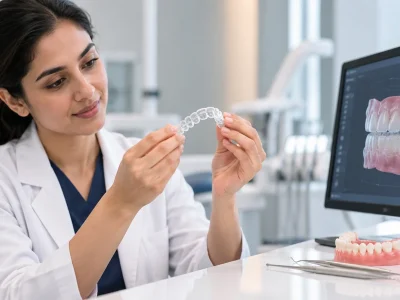
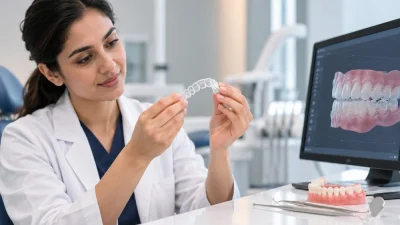
- Clear Aligners ($3,500 – $8,500): These are removable plastic trays. While they are very convenient, the cost depends on how many trays you need to reach your goal (e.g., Invisalign).
- Lingual Braces ($8,000 – $13,000): These are placed on the back of your teeth, making them invisible from the front. Because they are custom-made for the unique shape of your teeth, they are the most expensive option.
Hidden Costs to Keep in Mind
When you get a quote, always ask if it is all-inclusive. Some offices might charge extra for:
- Initial Consultation and X-rays: These costs can range from $150 to $500 before treatment even starts.
- Retainers: Once the braces are removed, you must wear a retainer to keep your teeth in place. A set can cost between $100 and $500.
- Emergency Repairs: If you break a bracket by eating something crunchy, some clinics charge a small fee for the repair visit.
Making Braces More Affordable
Even without insurance, there are ways to manage the cost without breaking the bank.
- Flexible Payment Plans: Most orthodontists offer 0% interest financing. This allows you to pay a down payment and then pay in monthly installments while in treatment.
- Dental Schools: If you live near a university with a dental program, you can often get treatment from supervised students at a significant discount.
- HSA and FSA Accounts: You can use pre-tax dollars from a Health Savings Account or Flexible Spending Account to pay for braces, which can save you a lot of money on your yearly taxes.
- Pay-in-Full Discounts: Many offices offer a 5% to 10% discount if you pay the entire amount upfront.
Final Thoughts
Investing in braces is about more than just a straight smile, as it prevents long-term issues like tooth decay and jaw pain. While the initial price can seem high, the variety of modern options and flexible payment plans makes it more reachable than ever before. A consultation is the best way to get a personalized option for your specific needs.








Comments