
Complete Details of Liquid and Powder Post-Workout Protein
Protein supports progress and strength. Many people find it difficult to choose between liquid and post workout protein powder. Both options work. But they have various needs. Read the article for more details.
Liquid Post-Workout Protein
Liquid protein usually comes ready to drink. It is pre-combined and packaged. It frequently contains whey or plant-based protein. Some versions contain carbohydrates and electrolytes. Liquid protein is designed for speed and usefulness.
- Pros of liquid protein:
• Ready to drink, with no mixing necessary
• Fast digestion and assimilation
• Convenient for travel and gym use
• Useful when longing is low, subsequently workouts
Liquid protein is ideal for busy behaviors. It everything well after severe training. It admits quick nutrient delivery to weary muscles.
- Cons of liquid protein:
• More expensive per portion
• Limited control over ingredients
• Shorter shelf life already opened
• Less elasticity in portion size
You frequently pay extra for convenience. Some liquid proteins contain additional sugars or preservatives.
What Is Powder Post-Workout Protein?
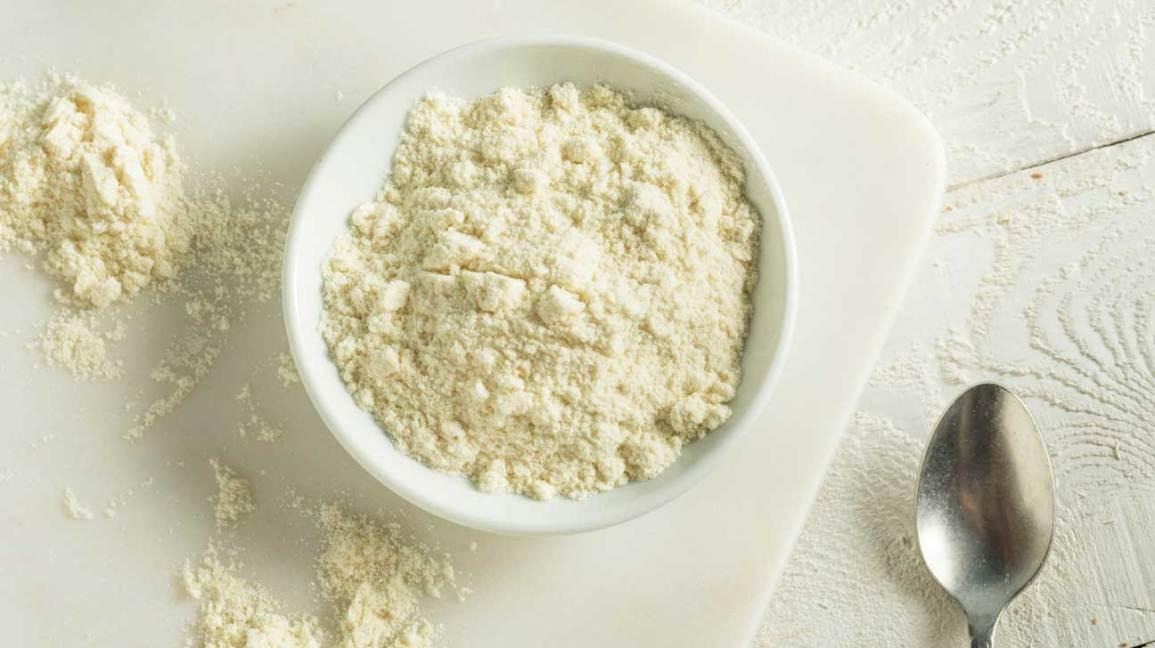
Powder protein comes in dry form. You join it with water or milk. It is usually from whey, casein, or plant sources. Powder protein is established for post-workout improvement.
- Pros of powder protein:
• Cost-effective and budget-friendly
• Longer shelf life
• Adjustable serving capacity
• Wide variety of flavors and formulas
Powder protein gives you more control. You can regulate protein consumption based on preparation intensity. It suits general use and daily supplementation.
- Cons of powder protein:
• Requires joining and preparation
• Not as available on the go
• Can cause digestive issues for a few people
• Needs an approach to clean water or a shaker
For a few users, joining can feel inconvenient after a few workouts. Poor-quality powders may also cause bloating.
Absorption and Effectiveness Comparison
Liquid protein absorbs kind of faster. It is before dissolved. This admits quicker amino acid delivery. Powder protein absorbs quickly, also once assorted. The difference is littlest for most people.
Key contrasting points:
• Liquid protein offers faster availability
• Powder protein offers similar results when assorted properly
• Total protein consumption matters more than form
Both alternatives support muscle improvement when used correctly. Consistency matters in addition to speed.
Cost and Practicality
Cost is a major determinant. Liquid protein usually costs more per portion. Powder protein offers better value over opportunity. If you train regularly, powder is more economical.
Which one to Buy
Your behavior matters. Your budget matters. Liquid protein is best for convenience and speed. Powder protein is best for adaptability and cost control.
Best approach:
• Use liquid protein when availability is critical
• Use powder protein for normal supplementation
• Focus on quality and digesting
Conclusion
Liquid and powder post-workout protein both have advantages. Liquid protein offers ease and speed. Powder protein offers an advantage and customization. Choosing the option you can use usually will deliver excellent results.