
 By
By 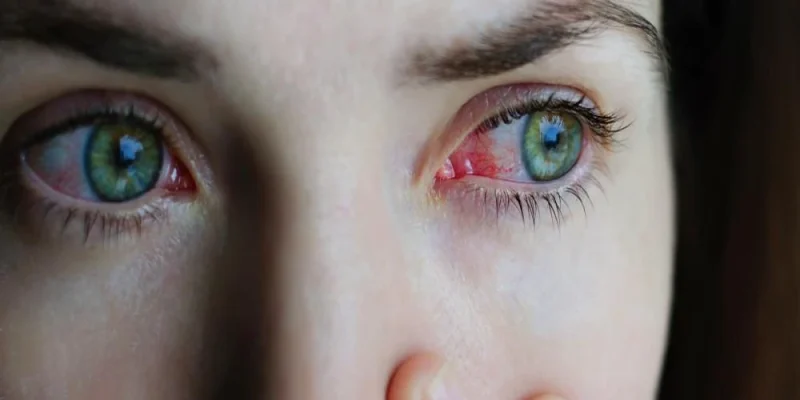
Dry eye disease happens when the eyes do not make enough tears, or when the tears do not work properly. The TFOS DEWS II report describes dry eye as a condition involving tear-film imbalance, eye discomfort, inflammation and possible surface damage. Read the medical report here: TFOS DEWS II dry eye definition report.
Dry eyes can feel different for different people. Some feel burning. Some feel grittiness, as if sand is in the eye. Some have redness, watering, tired eyes or blurry vision that comes and goes.
It may sound strange, but watery eyes can also happen in dry eye. When the eye surface is irritated, the eyes may produce reflex tears. These tears may not solve the real dryness problem.
Common causes include long screen time, contact lens use, ageing, dry air, air conditioning, certain medicines, eye surgery, eyelid problems and health conditions such as autoimmune disease.
Screen use can make symptoms worse because people blink less while looking at screens. Taking short breaks, blinking fully and adjusting screen position may help.
Do not use random eye drops for a long time without advice. Some drops may not suit your type of dryness. Some people need preservative-free lubricants, eyelid care, allergy treatment, anti-inflammatory treatment or other specialist care.
Dry eye should be checked if symptoms are frequent, painful, linked with light sensitivity, or affecting reading, driving or contact lens use.
People considering laser eye surgery should mention dry-eye symptoms before treatment. Dryness may need to be treated first.
For readers seeking more information, AccuVision provides a patient page on dry eye treatment.
Dry eye is common, but it should not be dismissed when it affects daily life. The right care depends on the cause.
Medical note: Seek urgent eye care for severe pain, sudden vision loss, injury, chemical exposure, marked light sensitivity or a red painful eye.









Comments