
 By
By 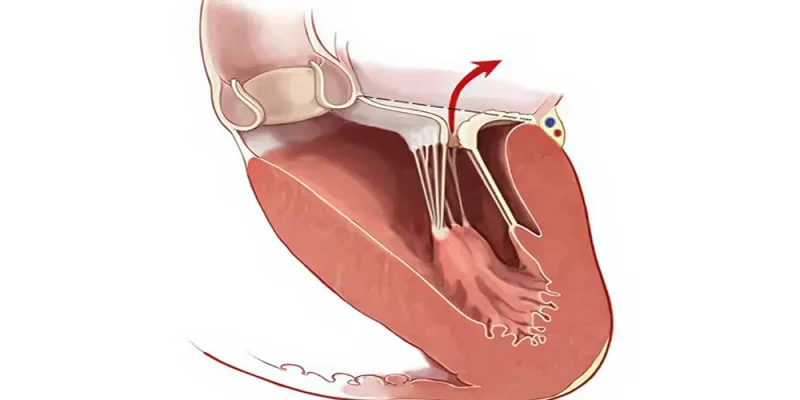
Mitral valve regurgitation happens when the mitral valve does not close tightly, allowing blood to leak backward inside the heart. Mayo Clinic explains that when leakage is significant, the heart may not pump enough blood forward, causing tiredness or shortness of breath. Read the medical overview here: Mayo Clinic guide to mitral valve regurgitation.
The mitral valve is located between the upper and lower chambers on the left side of the heart. It opens to let blood move forward and closes to stop blood from going backward.
When the valve leaks, the heart may need to work harder. Mild leakage may not cause symptoms. More serious leakage may cause breathlessness, tiredness, swelling in the feet, irregular heartbeat or reduced ability to exercise.
Mitral valve regurgitation can happen for many reasons. These include mitral valve prolapse, heart attack, infection, rheumatic heart disease, ageing-related changes, or weakness of the heart muscle.
An echocardiogram is usually the main test. It helps doctors see the valve, measure the leak, check heart size, and understand how well the heart is pumping.
Treatment depends on the cause and severity. Some patients need monitoring and medicines. Others may need valve repair or replacement. In selected patients, less invasive options may also be considered.
Patients should not ignore worsening breathlessness, swelling or tiredness. These can be signs that the heart is under strain.
For people who want to learn about valve-focused care, Heart Valve Experts provides information through its heart valve knowledge library. Readers should discuss their own echo report with a cardiologist.
A leaky valve does not always mean immediate surgery. But it does mean proper follow-up is important.
Medical note: Seek urgent care for severe breathlessness, chest pain, fainting, sudden weakness, or fast irregular heartbeat with dizziness.











Comments