
 By
By 
Understanding facial volume loss after GLP-1 weight loss and advanced solutions in Newport Beach
As GLP-1 medications like Ozempic and Wegovy continue to gain popularity for their effectiveness in weight loss, a new term has entered the conversation: “Ozempic face.” Patients who achieve rapid weight loss often notice changes in their facial appearance that can feel unexpected and, at times, concerning.
While these medications offer significant health benefits, the aesthetic impact of rapid fat loss can alter facial structure, leading to a more hollow or aged look. This is not a complication of the medication itself, but rather a natural response to losing fat quickly.
In Newport Beach, board-certified plastic surgeon Dr. Siamak Agha, founder of The Aesthetics Centers, specializes in addressing these changes with advanced, personalized treatments designed to restore youthful volume and balance.
What Is Ozempic Face?
“Ozempic face” is a non-medical term used to describe the facial changes that can occur after significant and rapid weight loss. As the body sheds fat, the face also loses subcutaneous fat, which plays a critical role in maintaining youthful contours.
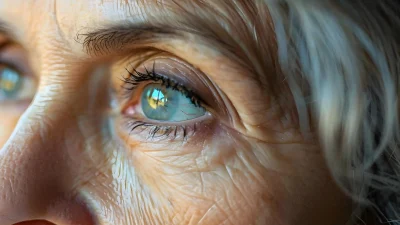
This loss of volume can lead to hollow cheeks, more pronounced nasolabial folds, and increased visibility of fine lines and wrinkles. The temples and under-eye areas may appear more sunken, and the overall face can take on a more angular or fatigued appearance.
Although the term may sound alarming, it is simply a reflection of how the body redistributes fat during weight loss. For many patients, these changes are noticeable enough to prompt consideration of aesthetic treatments.
Why Does Ozempic Face Happen?
The primary cause of Ozempic face is the rapid reduction of fat stores in the body, including the face. Facial fat is essential for creating softness and fullness. When it diminishes quickly, the skin and underlying structures may not adapt immediately.
Additionally, the skin’s ability to contract depends on collagen and elastin levels. As we age, these components naturally decrease, making it more difficult for the skin to maintain tightness after volume loss.
Patients who lose a large amount of weight in a short period are more likely to experience these effects. Genetics, lifestyle, and skin quality also influence the degree of change.
“Facial aging after weight loss is not about losing beauty; it is about losing volume. Restoring that volume is the key to rejuvenation.”
Common Signs of Ozempic Face
Patients experiencing Ozempic face often notice a combination of changes rather than a single issue. These changes can affect overall facial harmony and perception.
Hollowing in the cheeks is one of the most common concerns, creating a sunken appearance. The temples may also lose fullness, contributing to a more skeletal look. Under-eye hollows can become more prominent, making patients appear tired even when well-rested.
Skin laxity can further compound these effects, particularly around the jawline and lower face. This may result in a less defined contour and the appearance of early jowling.
Recognizing these signs early allows patients to explore treatment options before the changes become more pronounced.
Non-Surgical Treatments for Ozempic Face
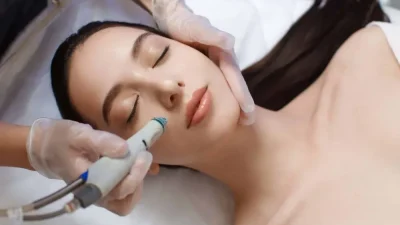
For patients seeking minimally invasive solutions, non-surgical treatments can provide effective results. Dermal fillers are commonly used to restore volume in areas such as the cheeks, temples, and under-eyes.
These treatments can quickly enhance facial contours and create a more youthful appearance. Results are typically immediate, with minimal downtime, making them a popular choice for patients with busy lifestyles.
However, fillers are temporary and require maintenance over time. For patients looking for longer-lasting solutions, alternative treatments may be recommended.
Skin tightening treatments can also complement volume restoration by improving skin quality and elasticity. These approaches work well for patients with mild to moderate changes.
Surgical Options for Long-Lasting Results
For patients experiencing more significant volume loss or skin laxity, surgical options may offer a more comprehensive solution. One of the most effective techniques is fat grafting, which involves transferring the patient’s own fat to areas of the face that have lost volume.
Fat grafting provides natural-looking results and has the added benefit of being long-lasting. Because the material comes from the patient’s own body, it integrates seamlessly with existing tissues.
In some cases, a facelift or mid-face lift may be recommended to reposition sagging tissues and restore a youthful contour. These procedures address both volume loss and skin laxity, providing a more complete rejuvenation.
Dr. Siamak Agha is known for his precision and ability to achieve subtle, natural results. His approach avoids an overfilled or artificial look, focusing instead on enhancing the patient’s existing features.
“The best results are those where patients look refreshed and confident, without anyone knowing why.”
Choosing the Right Treatment Plan
Selecting the appropriate treatment for Ozempic face requires a personalized approach. Factors such as age, skin quality, degree of volume loss, and individual goals all play a role in determining the best solution.
During a consultation, Dr. Siamak Agha evaluates the entire face, not just isolated areas. This comprehensive assessment ensures that treatments are balanced and harmonious.
Patients may benefit from a combination of treatments, such as fat grafting combined with skin tightening or a surgical lift. This integrated approach allows for more refined and lasting results.
In Newport Beach, patients trust Dr. Agha’s expertise to guide them through the decision-making process with clarity and confidence.
Preventing and Managing Facial Changes During Weight Loss
While not all changes can be prevented, there are steps patients can take to support their skin and overall appearance during weight loss. Maintaining proper hydration, following a nutrient-rich diet, and using medical-grade skincare products can help support skin health.
Gradual weight loss, when possible, may also reduce the severity of facial changes. However, for patients using GLP-1 medications, the rate of weight loss may be more rapid and less controllable.
Early intervention with non-surgical treatments can help maintain facial balance as changes occur. Consulting with a plastic surgeon early in the process can provide valuable guidance and help patients plan ahead.
FAQs
Is Ozempic face permanent?
No, it is treatable. Both non-surgical and surgical options can restore facial volume and improve overall appearance.
What is the best treatment for Ozempic’s face?
The best treatment depends on the severity of volume loss. Options include fillers, fat grafting, and surgical lifting procedures.
How long do fillers last for Ozempic’s face?
Dermal fillers typically last between 6 and 18 months, depending on the product used and the treatment area.
Can fat grafting replace fillers?
Yes, fat grafting can provide longer-lasting results and is often preferred for patients seeking a more permanent solution.
Conclusion
Ozempic face is a common and understandable result of rapid weight loss, reflecting the body’s natural response to reduced fat stores. Despite the unexpected changes, today’s advanced aesthetic techniques make them highly treatable.
In Newport Beach, board-certified plastic surgeon Dr. Siamak Agha at The Aesthetics Centers offers personalized solutions designed to restore facial volume, enhance natural contours, and deliver refined, long-lasting results.
If you are noticing changes in your facial appearance after weight loss, schedule a private consultation with Dr. Siamak Agha at The Aesthetics Centers in Newport Beach to explore the most effective treatment options for your goals.







Comments