
 By
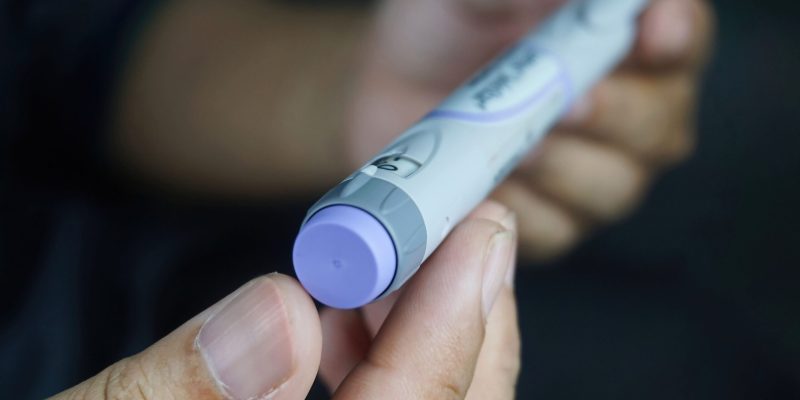
Living with diabetes often involves balancing blood sugar levels, maintaining a healthy weight, and reducing the risk of long-term complications. For people with type 2 diabetes who struggle to lose weight through lifestyle changes alone, certain prescription medications may offer additional support.
Weight management injections have gained attention because some can help regulate blood glucose, reduce appetite, and promote weight loss. However, they are not suitable for everyone, and understanding their benefits, risks, and proper use is essential before considering treatment.
What Are Weight Loss Injections?
Prescription weight loss injections are medications administered under the skin to support weight management. Some contain glucagon-like peptide-1 (GLP-1) receptor agonists, which mimic a natural hormone involved in blood sugar regulation, digestion, and appetite control.
Examples include semaglutide and liraglutide. Tirzepatide is another injectable medication that acts on both GLP-1 and glucose-dependent insulinotropic polypeptide (GIP) receptors. Depending on the specific product, these medicines may be approved for managing type 2 diabetes, chronic weight management, or both.
Although they share similar effects, diabetes and weight-management formulations can have different approved uses and dosing instructions. Patients should use only the medication prescribed for their particular needs.
How Do These Injections Help Diabetes Patients?
These medications work through several mechanisms that can benefit people with type 2 diabetes. They stimulate insulin release when blood glucose is elevated, reduce the release of glucagon when appropriate, and slow stomach emptying to varying degrees. These effects help improve blood sugar control.
They also act on appetite-regulating pathways in the brain, helping patients feel full sooner and remain satisfied for longer. As a result, some people consume fewer calories and gradually lose weight.
The combination of improved glucose regulation and weight reduction may benefit overall metabolic health. However, the extent of weight loss and blood sugar improvement varies according to the medication, dosage, individual response, and accompanying lifestyle habits.
Who May Benefit From Treatment?
Weight loss injections may be appropriate for adults with type 2 diabetes who are overweight or obese, particularly when excess weight makes glucose management more challenging.
A healthcare professional may consider a patient’s HbA1c, body mass index (BMI), medical history, current medications, cardiovascular risk, and weight-management goals before recommending treatment.
These medicines are not intended for everyone with diabetes. They are generally not used to treat type 1 diabetes, and they should not replace insulin in patients who require it. They are also not suitable for treating diabetic emergencies.
Patients with certain medical conditions, a history of specific endocrine cancers, or other contraindications may need to avoid particular medications. Individual assessment is essential.
What Are the Potential Benefits?
When appropriately prescribed, these medications can provide benefits beyond weight reduction. Improved blood glucose control may help patients achieve their individual HbA1c targets, while weight loss can reduce the burden of excess body fat and improve some weight-related health risks.
Certain medicines in this class have also demonstrated cardiovascular benefits in specific patient populations. Some have evidence of kidney-related benefits for eligible patients with type 2 diabetes.
However, these outcomes are medication-specific and depend on the patient’s health profile. Not every injectable treatment offers the same benefits, and treatment should be selected according to established clinical evidence and approved indications.
What Are the Possible Side Effects?
The most common side effects are gastrointestinal. These may include nausea, vomiting, diarrhoea, constipation, abdominal discomfort, and reduced appetite. Symptoms are often more noticeable when treatment begins or the dosage increases.
Less common but potentially serious complications include pancreatitis, gallbladder problems, and dehydration resulting from persistent vomiting or diarrhoea. Severe gastrointestinal symptoms require prompt medical assessment.
The risk of hypoglycaemia may increase when these medications are combined with insulin or sulfonylureas. A clinician may need to adjust other diabetes medicines and recommend closer blood glucose monitoring.
Patients should seek urgent medical attention for severe, persistent abdominal pain, particularly if it radiates to the back, or signs of a serious allergic reaction.
How to Use Treatment Safely
Before starting weight loss injections, discuss your medical history, current prescriptions, and treatment goals with a qualified healthcare professional. Disclose any history of pancreatitis, gallbladder disease, significant digestive problems, or relevant family or personal medical history.
Follow the prescribed dosing schedule and injection instructions. Do not increase the dose independently or combine products containing the same active ingredient unless specifically directed by your clinician.
Regular follow-up appointments can help assess weight changes, HbA1c, side effects, hydration, and nutritional intake. Patients taking insulin or other glucose-lowering medications may need a personalised monitoring plan.
Conclusion
Weight loss injections can help selected patients with type 2 diabetes manage blood glucose and excess weight, but they require careful prescribing, monitoring, and realistic expectations. The safest approach is to work with a healthcare professional who can determine whether treatment is appropriate, explain potential risks, and develop a plan that supports sustainable weight management and long-term diabetes control.








Comments