
 By
By 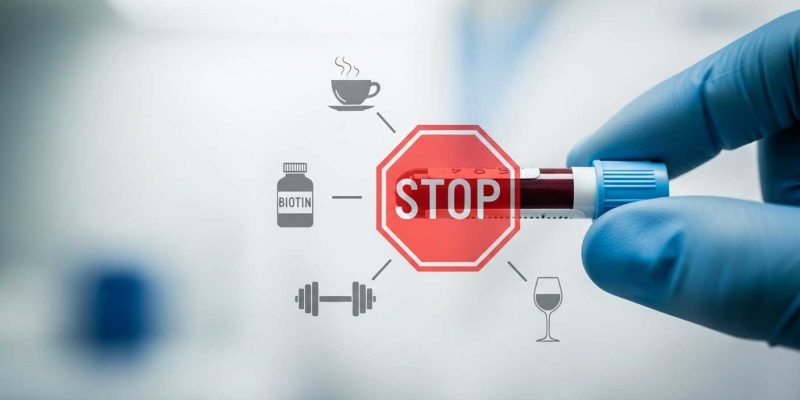
Health screening can help identify certain conditions before noticeable symptoms appear, making it an important part of preventive healthcare. In Singapore, recommended screening tests vary according to factors such as age, sex, medical history, and individual risk. Preparing appropriately can help ensure that the screening process runs smoothly and that test results are interpreted in the right context.
However, simple preparation mistakes can sometimes create unnecessary inconvenience or confusion. Knowing what to avoid before visiting a health assessment clinic can help you arrive prepared and get more value from your appointment.
1. Not Checking Whether Fasting Is Required
One common mistake is assuming that every health screening requires fasting. In reality, preparation depends on the specific tests being performed.
Some blood tests for glucose and cholesterol may require fasting, while non-fasting options are available for certain screenings. If fasting is required, it is recommended that you avoid food and drinks other than plain water for approximately eight to 10 hours beforehand.
Before visiting a medical screening clinic, confirm the instructions provided for your appointment rather than relying on assumptions.
2. Eating or Drinking When Fasting Is Required
Another mistake is forgetting that certain beverages can also affect fasting instructions. Coffee, tea, juice, soft drinks, and other beverages should not be consumed when the specific test requires fasting.
Plain water is generally permitted during an eight- to 10-hour fasting period for the relevant blood tests.
Following the instructions carefully can help avoid having to repeat a test or reschedule an appointment.
3. Stopping Medication Without Advice
Some people may assume they should stop taking regular medication before screening. This can be inappropriate because medication requirements differ depending on the test and the individual’s health condition.
Instead of changing medication independently, tell the healthcare team about the medicines and supplements you take.
If you are unwell or taking medication, check with your doctor about whether you should proceed with the screening. A health screening clinic can also provide specific instructions based on the tests being performed.
4. Exercising Intensely Before Screening
A demanding workout immediately before an appointment may not be ideal for every type of health assessment. Physical activity can temporarily influence certain measurements, while factors such as hydration and recovery may also affect how you feel during the appointment.
Rather than making major changes to your usual routine, ask the screening provider whether any activity restrictions apply to your particular tests. If you regularly exercise, mentioning this during your consultation can also provide useful context when discussing certain results.
5. Ignoring Illness or Feeling Unwell
Another mistake is attending a screening appointment without informing the healthcare team that you are unwell.
Temporary illnesses can affect how you feel and may influence certain measurements or laboratory results. HealthHub specifically advises individuals who are unwell to check with their doctor about whether they should proceed with screening.
If you develop significant symptoms before your appointment, contacting the health screening clinic beforehand can help determine the most appropriate next step.
6. Forgetting Important Health Information
Screening results are easier to interpret when healthcare professionals have relevant background information. Forgetting details about existing medical conditions, previous test results, allergies, medications, or family medical history can leave important context out of the discussion.
Before your appointment, consider preparing a current medication list and noting any relevant health concerns or questions.
This information can help your doctor determine which screening tests are appropriate based on your individual risk profile.
7. Assuming Every Screening Test Is Necessary
More tests do not automatically mean better screening. Different screening procedures have different benefits, limitations, and potential risks.
Singapore’s Health Promotion Board notes that screening recommendations should be based on evidence and individual risk factors. Some tests are appropriate for population-level screening, while others may be more suitable for selected individuals.
Instead of requesting every available test, discuss your age, health history, lifestyle, and risk factors with the healthcare professional at your health screening clinic.
8. Focusing Only on the Test and Not the Follow-Up
A screening appointment is only one part of preventive healthcare. Another common mistake is assuming that the process ends once the samples have been collected or measurements completed.
Results may require further discussion, repeat testing, monitoring, or additional assessment. Ideally, you should discuss screening results with your doctor, particularly when abnormalities are identified.
Ask when your results will be available and how they will be communicated. If follow-up is recommended, understanding the next steps can help you respond promptly.
Preparing for a More Effective Screening Visit
A little preparation can make health screening more straightforward. Check whether fasting is necessary, follow the instructions provided, bring required identification or healthcare documents, and prepare information about your medications and medical history.
In Singapore, eligible individuals can also check recommended screening tests according to age and other factors through Healthier SG resources.
Ultimately, avoiding these eight common mistakes can help you approach your appointment with greater confidence. Whether you visit a health screening clinic, polyclinic, or participating GP clinic, following the appropriate preparation instructions and discussing your results with a healthcare professional can make screening a more meaningful part of your long-term health routine.









Comments