
 By
By 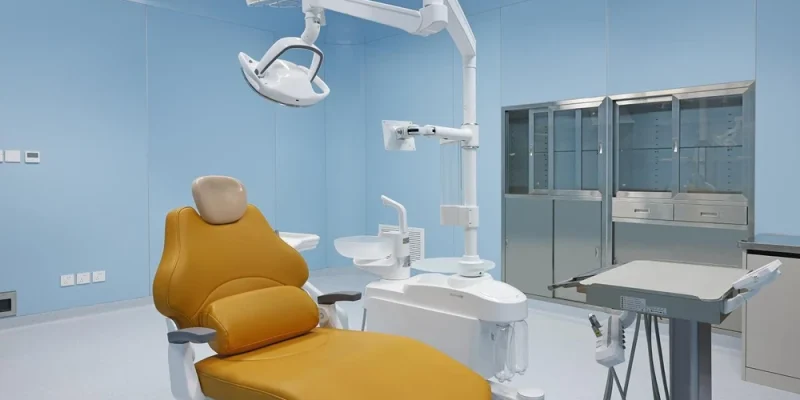
Modern healthcare is shifting from a provider-centered model to a patient-centered approach, where every aspect of medical care is designed to improve patient safety, comfort, outcomes, and overall experience. While physicians, nurses, and medical technologies play essential roles, the design of the surgical environment has become equally important. Among the most significant innovations is the modular operating room -a solution that combines advanced engineering, infection control, and flexible design to create a safer and more efficient surgical space.
As hospitals around the world continue to modernize, modular operating rooms are becoming a cornerstone of patient-centered healthcare.
What Is Patient-Centered Healthcare?
Patient-centered healthcare focuses on delivering care that respects individual patient needs while achieving the best possible clinical outcomes. Rather than simply treating diseases, hospitals aim to create environments that minimize risks, reduce stress, and support faster recovery.
For surgical departments, this means creating operating rooms that offer:
- Maximum patient safety
- Effective infection prevention
- Reliable environmental control
- Efficient clinical workflows
- Consistent surgical quality
Modular operating rooms are specifically designed to meet these goals.
Improving Patient Safety Through Better Operating Room Design
Patient safety begins long before surgery starts. Every surface, airflow system, and piece of equipment inside the operating theatre can influence surgical success.
Modular operating rooms feature seamless wall panels, integrated medical equipment, and optimized room layouts that reduce clutter and eliminate difficult-to-clean areas. These design improvements help create a controlled surgical environment where medical teams can work more efficiently while minimizing potential contamination.
By standardizing the operating room environment, hospitals can also reduce human error caused by poor layout or equipment accessibility.
Reducing Surgical Site Infections
One of the greatest concerns in any surgical procedure is the risk of Surgical Site Infections (SSIs). According to global healthcare organizations, SSIs remain one of the leading causes of postoperative complications and prolonged hospital stays.
Modular operating rooms help reduce these risks through several key features:
- Seamless antibacterial wall and ceiling systems
- Easy-to-clean, non-porous surfaces
- Laminar airflow systems that remove airborne contaminants
- Positive air pressure to prevent outside contamination
- Controlled temperature and humidity
These technologies work together to maintain a sterile environment throughout every procedure, supporting better patient outcomes and lowering infection rates.
Supporting Faster Recovery
Patient-centered healthcare extends beyond the operating room itself. The quality of the surgical environment directly affects postoperative recovery.
Cleaner surgical conditions reduce the likelihood of infection, while stable environmental controls help surgeons perform procedures more precisely. Fewer complications often mean:
- Shorter hospital stays
- Reduced antibiotic use
- Lower readmission rates
- Faster return to daily life
For patients, these benefits translate into both improved health outcomes and a better overall healthcare experience.
Enhancing Efficiency for Better Patient Care
A patient-centered hospital is also an efficient hospital.
Modular operating rooms integrate lighting, medical gas systems, electrical outlets, imaging equipment, and digital communication systems into a coordinated workspace. This reduces unnecessary movement during surgery and allows surgical teams to access critical equipment quickly.
Improved workflow helps shorten preparation times between surgeries, enabling hospitals to perform more procedures while maintaining high standards of patient care.
When healthcare professionals spend less time managing equipment and room logistics, they can devote more attention to the patient.
Flexible Solutions for Future Healthcare Needs
Healthcare demands continue to evolve. New surgical technologies, robotic systems, and digital imaging equipment require operating rooms that can adapt without extensive reconstruction.
Unlike traditional construction, modular operating rooms allow hospitals to upgrade wall systems, utilities, and integrated equipment with minimal disruption.
This flexibility supports long-term investment while ensuring that patients continue to benefit from the latest medical technologies throughout the facility’s lifecycle.
Sustainability and Long-Term Value
Patient-centered healthcare also considers the sustainability of healthcare facilities.
Many modular operating room systems are manufactured off-site under strict quality control, reducing construction waste and shortening installation schedules. Their durable materials require less maintenance and provide long service life, helping hospitals lower operational costs without compromising patient safety.
The ability to renovate individual components rather than rebuilding entire operating theatres further supports sustainable healthcare development.









Comments