
 By

GLP-1 drugs like Ozempic, Wegovy, and Mounjaro slow how quickly the stomach empties, which can raise the risk of inhaling stomach contents under anesthesia. 2024 guidance from five U.S. medical societies says most patients can keep taking them, sometimes with a 24-hour liquid diet before surgery, but many plastic surgeons still ask for a pause. Never stop on your own. Get one coordinated plan from your surgeon, anesthesia team, and prescriber.
Your consultation went well, your surgery date is on the calendar, and then a nurse asks, “Are you taking Ozempic?” Suddenly you’re wondering whether you need to stop Ozempic before surgery, for how long, and what that means for your blood sugar or your weight-loss progress.
You’re not alone in feeling confused. The official advice changed within the last two years, and surgical teams still handle it differently. This guide explains why GLP-1 medications matter for anesthesia, what national guidance says, and how to get a clear answer for your procedure. It reflects the approach of board-certified plastic surgeon Dr. Siamak Agha in Newport Beach, whose practice treats many patients who lost weight with GLP-1 medications.
Why GLP-1 Medications Matter for Anesthesia
GLP-1 receptor agonists delay gastric emptying, so food can stay in the stomach longer than usual. Under anesthesia, the protective reflexes that keep stomach contents out of the lungs are suppressed. A stomach that isn’t empty raises the risk of regurgitation and aspiration, which can cause serious lung problems.
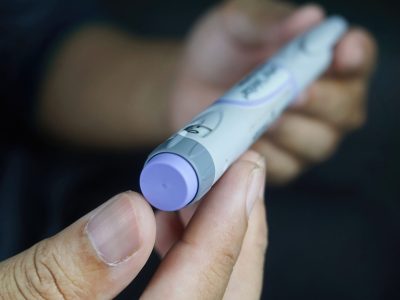
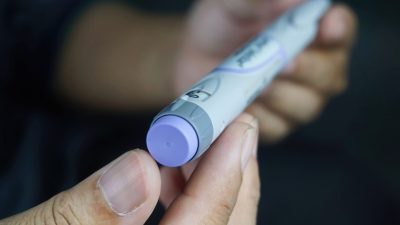
This concern applies to the whole class of drugs, including semaglutide (Ozempic, Wegovy, Rybelsus), tirzepatide (Mounjaro, Zepbound), and liraglutide. It also applies to compounded versions obtained through telehealth or med spas. Tell your surgical team exactly what you take, your dose, and the day of your last injection. If you’re unsure how these drugs differ, the practice explains the difference between Ozempic, Mounjaro, and Wegovy.
The usual fasting rules before surgery may not be enough for some GLP-1 users, because food can linger in the stomach well past the standard overnight fast. That’s why your team needs to plan specifically for this situation.
Do You Need to Stop Ozempic Before Surgery? What the Guidance Says
In October 2024, the American Society of Anesthesiologists and four other medical societies said most patients can continue GLP-1 drugs before elective surgery. Patients at higher risk of stomach side effects may be asked to follow a liquid-only diet for 24 hours beforehand, and the anesthesia plan can be adjusted to lower risk.
The 2023 Recommendation
The guidance has shifted over time. In 2023, the ASA advised holding weekly GLP-1 injections for one week and daily oral forms for one day before procedures that require anesthesia, as MDedge reported. Many surgical practices adopted that rule, and some extended it further.
The 2024 Multi-Society Update
The newer multi-society guidance, released by the ASA along with gastroenterology, bariatric surgery, and endoscopic surgery societies, weighed that caution against the downsides of stopping. Those downsides include rebound high blood sugar in people with diabetes and interruption of weight-loss treatment. The groups concluded most patients can continue their medication, with decisions made jointly by the patient and care teams.
Who Is Considered Higher Risk
The guidance flags patients who are in the dose-escalation phase early in treatment, those on higher doses, and anyone with active nausea, vomiting, bloating, abdominal pain, or constipation. For some of these patients, HealthDay reported, it may make sense to schedule elective surgery after the escalation phase or to postpone it.
The safest GLP-1 plan is the one your surgeon, anesthesia team, and prescriber all agree on.
Why Plastic Surgeons May Still Ask You to Pause Ozempic
The 2024 statement is guidance, not a binding rule, and many plastic surgery practices still ask patients to hold GLP-1 drugs for one to two weeks or longer. Their reasons include the anesthesia protocols at their surgical facility, the length of the procedure, and concerns about nutrition and healing.
The American Society of Plastic Surgeons has highlighted that range of views, including one surgeon who asks patients to be off GLP-1s for at least two weeks before surgery. The International Society of Aesthetic Plastic Surgery published its own perioperative guidance in 2025, noting that patients early in treatment are more likely to have delayed stomach emptying.
Several factors specific to plastic surgery shape these policies:
- Longer procedures. Body contouring after weight loss, such as a body lift or combined procedures, can take several hours under general anesthesia.
- Outpatient settings. Many cosmetic surgeries take place in accredited surgical centers, which may have their own anesthesia rules.
- Healing concerns. ASPS members have described delayed wound healing in some GLP-1 patients who are eating very little.
- Weight stability. Surgeons want your weight steady so results reflect your new baseline.
Different instructions from two practices don’t mean one is wrong. They reflect different procedures, settings, and patient risk profiles. Dr. Agha’s team will give you specific written instructions for your procedure.
Timing Plastic Surgery After GLP-1 Weight Loss
The question of whether to stop Ozempic before surgery often overlaps with a bigger one: when to schedule body contouring at all. Most surgeons prefer that your weight be stable for several months before procedures like a tummy tuck or body lift, so the results last.
That means planning your medication. Are you staying on your GLP-1 long-term, tapering, or stopping? Each path affects your weight trajectory and timing. The practice explains the most common plastic surgery procedures after losing weight with Ozempic and Wegovy, and its overview of plastic surgery after weight loss covers the full range of options.
If you have diabetes, pausing a GLP-1 can raise blood sugar, which also affects healing. Your prescriber should be part of the plan, so your glucose stays controlled while you’re off the medication.
Questions to Ask Your Doctor Before Surgery
Bring these questions to your consultation and pre-op visit, so everyone is working from the same plan:
- Should I keep taking my GLP-1, pause it, or skip only my last dose before surgery?
- If I pause, exactly when is my last dose, and when can I restart?
- Do I need a liquid-only diet before surgery, and for how long?
- If I have diabetes, how will my blood sugar be managed while I’m off the medication?
- Do my current side effects, such as nausea or constipation, change the plan?
- Should I be on a stable dose for a certain amount of time before surgery?
- Who should I call if I accidentally take a dose too close to my surgery date?
Write down the answers and share them with every doctor involved. If your surgeon and prescriber give conflicting instructions, ask them to talk before your date.
Never stop or change a GLP-1 on your own. One written plan protects both your surgery and your health.
The Bottom Line on Ozempic and Surgery
Whether to stop Ozempic before surgery doesn’t have one universal answer. Current national guidance lets most patients continue, often with a short liquid diet, while many plastic surgeons still prefer a pause based on their procedures and settings. What matters most is telling your team you take a GLP-1, getting a written plan for your last dose and restart date, and never changing it on your own.
Ready to find out if plastic surgery after GLP-1 weight loss is right for you? Schedule a consultation with board-certified plastic surgeon Dr. Siamak Agha at The One Plastic Surgery Center in Newport Beach to discuss your goals and options.
Frequently Asked Questions
Do I have to stop Ozempic before plastic surgery?
Not always. 2024 guidance from five U.S. medical societies says most patients can continue GLP-1 drugs before elective surgery, but many plastic surgeons still ask for a pause of one to two weeks or more. Follow your own surgical team’s written instructions.
Why is Ozempic a concern with anesthesia?
Ozempic and other GLP-1 drugs slow stomach emptying, so food may still be in the stomach at the time of surgery. That raises the risk of regurgitation and aspiration while you’re under anesthesia.
What is the liquid diet before surgery for GLP-1 users?
For patients at higher risk, the 2024 guidance suggests a liquid-only diet for 24 hours before the procedure. Your anesthesia team will tell you whether it applies to you and which liquids are allowed.
Does this guidance apply to Mounjaro, Zepbound, and compounded semaglutide?
Yes. Tirzepatide, other GLP-1-based drugs, and compounded versions all affect stomach emptying in similar ways. Tell your surgical team about any of them, including the dose and your last injection date.
When can I restart Ozempic after surgery?
Your surgeon and prescriber will tell you when to restart, often once you’re eating and drinking normally without nausea. Restarting too soon can make post-surgery nausea worse, so follow their timeline.
Medical disclaimer: This article is for educational purposes only and is not medical advice. Do not stop, skip, or change any medication without instructions from your surgeon and prescriber. Results and candidacy vary by patient, and a consultation is required to determine individual suitability for surgery.




Comments