
 By
By 
Key Highlights
- Geriatric care focuses on maintaining the functional independence of seniors as they age.
- Physiotherapy at home for seniors reduces the physical barriers to receiving consistent treatment.
- Tailored exercise programmes help manage chronic conditions like arthritis and osteoporosis.
- Professional home care provides emotional support and motivation for seniors to stay active.
Introduction
As the global population ages, the focus of healthcare has shifted toward helping seniors maintain their independence for as long as possible. In Singapore, many families are discovering that geriatric home care is an excellent way to provide comprehensive support while respecting a senior’s desire to stay in their own residence. This approach integrates medical monitoring with physical rehabilitation to address the multifaceted needs of older adults. One of the most effective components of this care model is physiotherapy at home for seniors. By bringing professional expertise directly to the doorstep, seniors can work on their strength and balance in a setting where they feel most confident. This article explores how these services work together to foster a lifestyle of health and autonomy.
Maintaining Functional Strength and Mobility
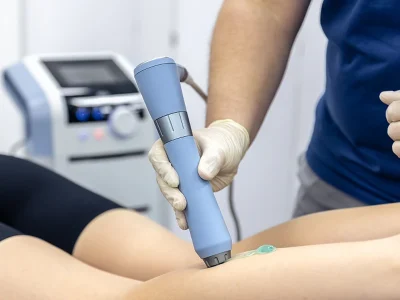
The loss of muscle mass, known as sarcopenia, is a common challenge that comes with ageing. Without regular intervention, this can lead to difficulty in performing basic tasks such as standing up from a chair or walking to the letterbox. Physiotherapy at home for seniors focuses on resistance training and functional movements designed to preserve muscle tissue. A therapist uses simple tools like resistance bands or even household items to create an effective workout environment. By focusing on the muscles used in daily life, the therapy helps seniors remain self-sufficient. This physical resilience is the foundation of independent living, allowing seniors to continue engaging in the hobbies and social activities they love.
Management of Chronic Age-Related Conditions
Many seniors live with chronic conditions such as osteoarthritis, diabetes, or cardiovascular disease. Managing these issues requires a consistent approach that combines medication with physical activity. Geriatric home care professionals provide the necessary oversight to ensure that seniors are following their prescribed health regimens. Physiotherapists contribute by creating exercise routines that alleviate joint pain and improve circulation. For instance, gentle weight-bearing exercises can help maintain bone density in those with osteoporosis. Because the care is delivered at home, the therapist can monitor the senior’s progress closely and make immediate adjustments to the programme if their condition changes, ensuring the treatment remains safe and effective.
Reducing the Risk of Hospitalisation
Frequent trips to the hospital can be taxing for seniors and their families. A primary goal of geriatric home care is to prevent the acute episodes that lead to emergency room visits. This is achieved through regular monitoring and the implementation of fall-prevention strategies. Since falls are a major cause of hospitalisation among the elderly, home-based physiotherapy targets balance and coordination. A therapist identifies environmental risks within the home and works with the senior to navigate these areas safely. By staying strong and steady on their feet, seniors are much less likely to suffer from fractures or head injuries that often result in long-term hospital stays.
Promoting Mental Well-being and Social Interaction
Independent living is not just about physical health; it also involves mental and emotional vitality. Seniors who struggle with mobility often become isolated, which can lead to depression and cognitive decline. Regular visits from a care professional or a physiotherapist provide much-needed social interaction and mental stimulation. These professionals offer encouragement and set achievable goals, giving seniors a sense of purpose and accomplishment. Knowing that someone is coming to support them can significantly boost a senior’s morale. This emotional lift often translates into a greater willingness to participate in therapy and a more optimistic outlook on the ageing process.
Conclusion
Geriatric support at home offers a holistic way to manage the challenges of ageing while celebrating senior independence. By combining medical care with targeted physical therapy, families can ensure their loved ones remain strong, safe, and engaged with life. The convenience of receiving these services at home removes many of the obstacles that prevent seniors from getting the help they need. Ultimately, the goal is to enhance the quality of life, allowing seniors to enjoy their golden years with dignity. Investing in professional home care is an investment in a healthier and more autonomous future for the elderly.
Help your loved ones maintain their independence with professional support. Contact The Home Physio to discover our range of home-based services for seniors.









Comments