
 By
By 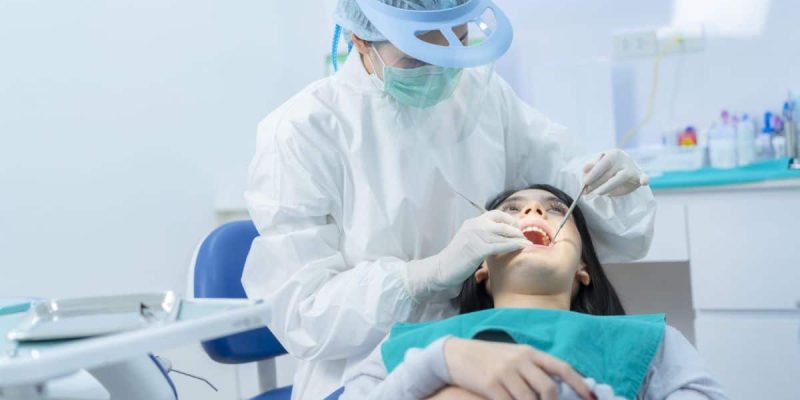
A brighter smile is one of the most common cosmetic dental goals. Many people consider teeth whitening before a wedding, an important meeting, a photo shoot, or simply because their teeth have become dull over time. The main question is usually the same: is teeth whitening safe?
The answer depends on how it is done, who is doing it, and whether your teeth and gums are suitable for whitening. Teeth whitening can be safe when it is planned by a qualified dentist after a proper oral examination. Problems usually arise when people use strong products without guidance, repeat whitening too often, or ignore existing dental issues such as cavities, gum disease, worn enamel, or sensitivity.
Why Teeth Become Yellow or Stained
Teeth can change colour for many reasons. Tea, coffee, red wine, cola, tobacco, and strongly coloured foods can leave surface stains. Ageing can also make teeth look more yellow because enamel gradually becomes thinner and the inner dentin becomes more visible. Some stains are deeper, especially those related to certain medicines, dental trauma, or excessive fluoride exposure during tooth development.
This matters because every type of discolouration does not respond in the same way. Surface stains may improve with cleaning and polishing. Deeper stains may need professional whitening, veneers, or another cosmetic option. A dental assessment helps you avoid spending money on a treatment that may not give the result you expect.
How Whitening Works
Most professional whitening systems use peroxide-based gels. These gels release oxygen molecules that help break down stain particles within the tooth structure. The aim is to lighten the shade of natural teeth without changing the shape or surface of the teeth.
Whitening works only on natural tooth enamel. Fillings, crowns, bridges, veneers, and dentures will not whiten in the same way. If you have visible restorations in your smile line, your dentist may discuss the sequence of treatment carefully. In some cases, whitening is done first, and old restorations are replaced later to match the new shade.
Who Is a Good Candidate for Teeth Whitening?
You may be a suitable candidate if your teeth and gums are generally healthy, your stains are likely to respond to whitening, and your expectations are realistic. Whitening can improve brightness, but it cannot create a perfectly uniform shade in every case.
A dentist may delay or avoid whitening if you have untreated cavities, inflamed gums, exposed roots, cracked teeth, severe sensitivity, or heavy tartar deposits. Pregnant and breastfeeding women are often advised to postpone elective whitening.
Patients with habits that cause staining, such as smoking or frequent tea and coffee intake, can still consider whitening. However, they should understand that results may fade sooner unless the staining habits are controlled.
Is Teeth Whitening Painful?
Teeth whitening is usually not painful, but temporary sensitivity is common for some patients. You may feel a short, sharp sensation when drinking cold water or breathing in cool air. This happens because whitening agents can temporarily increase the movement of fluid inside microscopic channels in the teeth.
Sensitivity is more likely if you already have sensitive teeth, gum recession, enamel wear, cracked fillings, or exposed dentin. A dentist can reduce this risk by choosing the right concentration, protecting the gums, and spacing the sessions properly.
Sensitivity after whitening usually settles within a short period. If pain is severe, persistent, or limited to one tooth, it may indicate another dental problem that needs attention.
Professional Whitening vs Over-the-Counter Products
Many people try whitening toothpaste, strips, gels, or online products before consulting a dentist. Some mild products may help with surface stains, but they may not be strong enough for deeper discolouration. Products bought without professional advice can sometimes irritate gums or worsen sensitivity, especially if used incorrectly.
Professional whitening has three major advantages. The dentist checks whether whitening is appropriate for you. The gums and soft tissues can be protected more carefully. The strength and duration of the treatment can be matched to your dental condition.
This is especially important for patients with previous dental work, uneven staining, or a history of sensitivity. A personalized approach reduces risk and gives a more realistic idea of what result is possible.
What to Expect After Whitening
After whitening, teeth may be slightly more sensitive for a short time. Dentists often advise patients to avoid strongly coloured foods and drinks for the first 24 to 48 hours. This may include tea, coffee, red wine, dark sauces, beetroot, turmeric-rich foods, and cola. Smoking should also be avoided because it can quickly stain the teeth again.
Good oral hygiene helps maintain the result. Brushing twice daily, flossing, regular dental cleaning, and reducing frequent staining beverages can make the brightness last longer. Some patients may need touch-up whitening later, depending on their habits.
How to Decide Safely
Before choosing whitening, ask a few practical questions. Are your gums healthy? Do you have untreated cavities? Do you have crowns or fillings in the front teeth? Are you expecting a natural improvement or a very dramatic shade change? Have you had sensitivity in the past?
These questions help your dentist choose the safest option. They also help you avoid disappointment. The best whitening plan is one that improves your smile while protecting your teeth, gums, and long-term oral comfort.
If you are considering professional Teeth Whitening in Mumbai, a consultation at Opus Dental Specialities can help you understand whether whitening is suitable for your teeth, what level of improvement is realistic, and how to reduce sensitivity before and after treatment.
Final Takeaway
Teeth whitening can be safe when it is done for the right patient, in the right way, and under dental supervision. The safest decision begins with a dental check-up, because the health of your teeth and gums should guide the cosmetic plan. A bright smile is valuable, but it should be achieved with care, patience, and professional judgement.







Comments